Moderate

Kang Yatse II (6,200m)

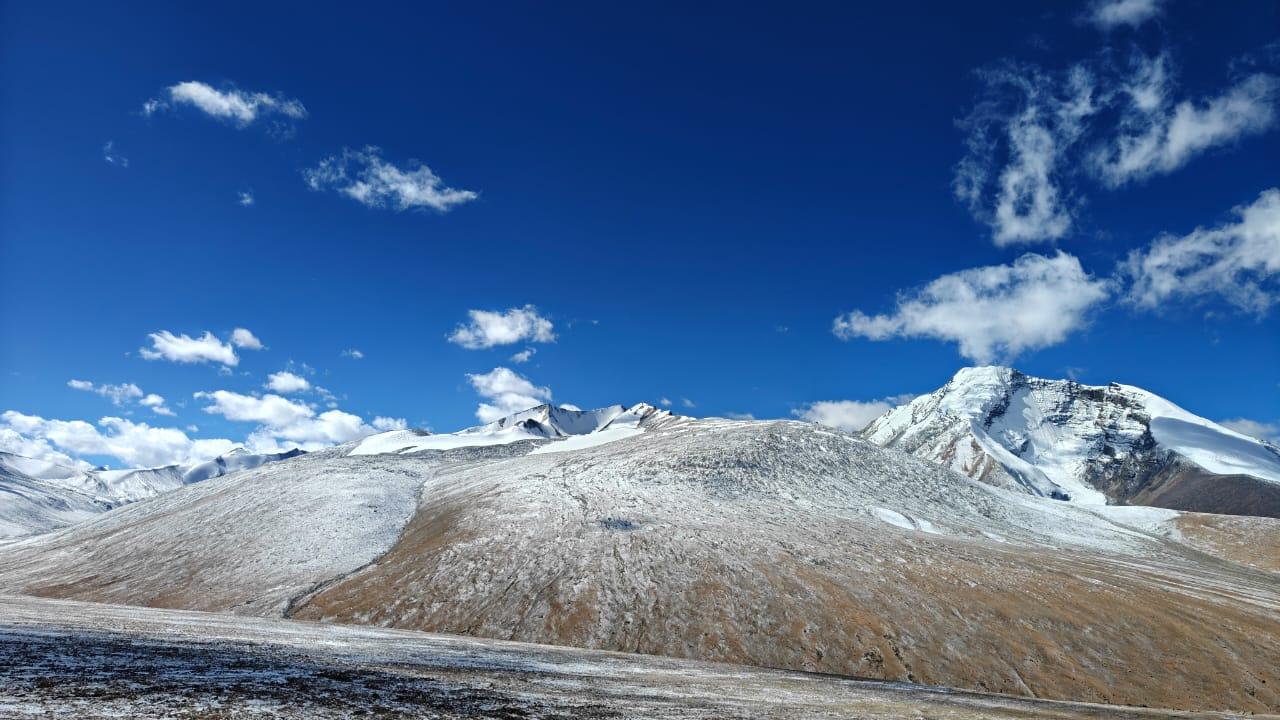
The lower western summit of the Kang Yatse massif, approached via the Markha Valley trek from Chilling or Spituk. It needs no special mountaineering skills, making it ideal as a first Himalayan 6,000m summit. Scree slopes lead to a steep snow climb, with summit views stretching to K2 and the Zanskar range.

  • 10 days
  • 4–5 people
  • Best season: Jul – Sep
View trip
Challenging

Kang Yatse I (6,400m)

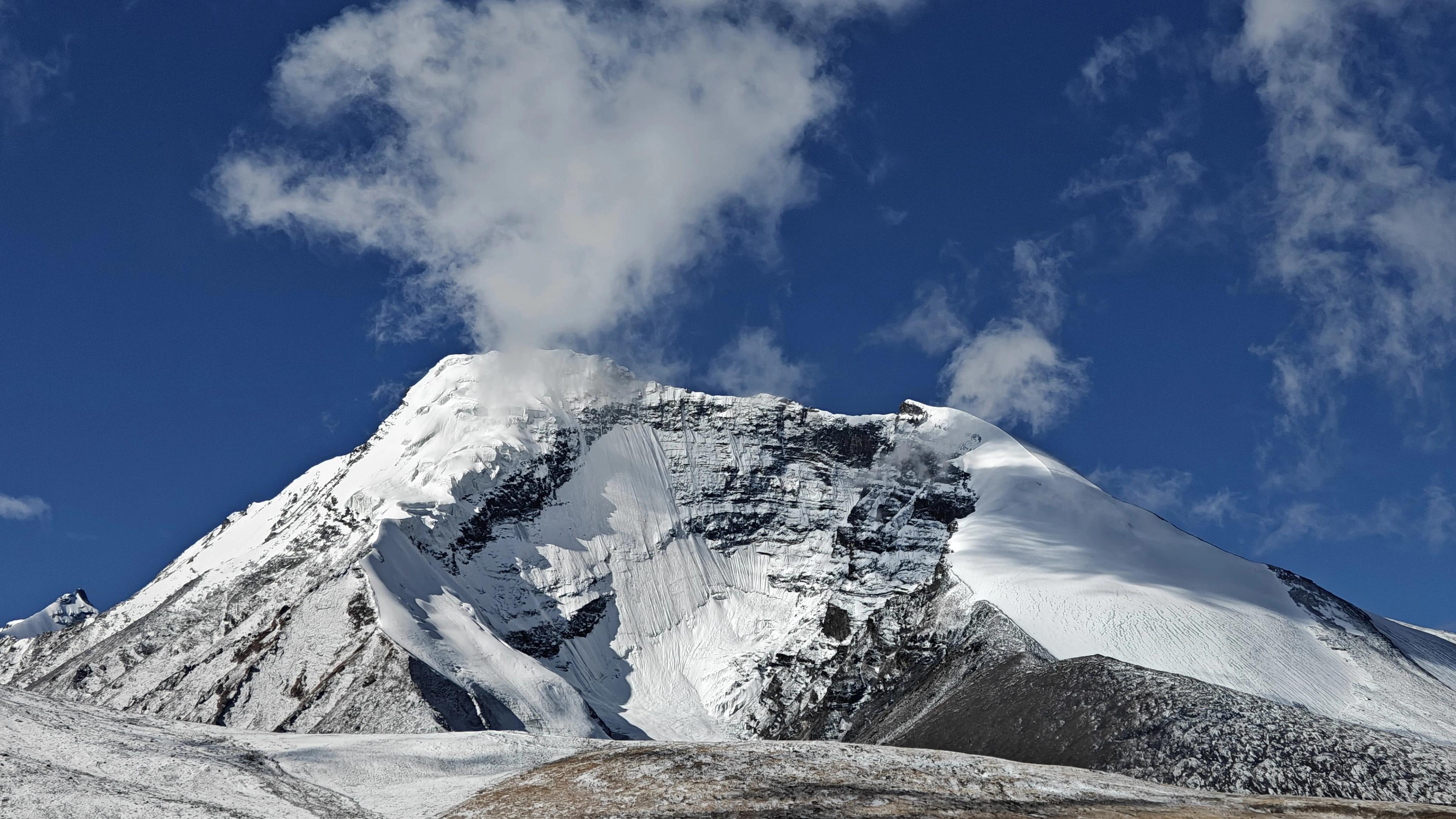
The true, higher summit of the Kang Yatse massif, reached via a technically demanding knife-edge ridge traverse. Approached via the Markha Valley, it should only be attempted by experienced climbers and sees far fewer ascents than its easier neighbour, Kang Yatse II.

  • 10 days
  • 4–5 people
  • Best season: Jul – Sep
View trip
Moderate

Mentok Kangri (6,250m)

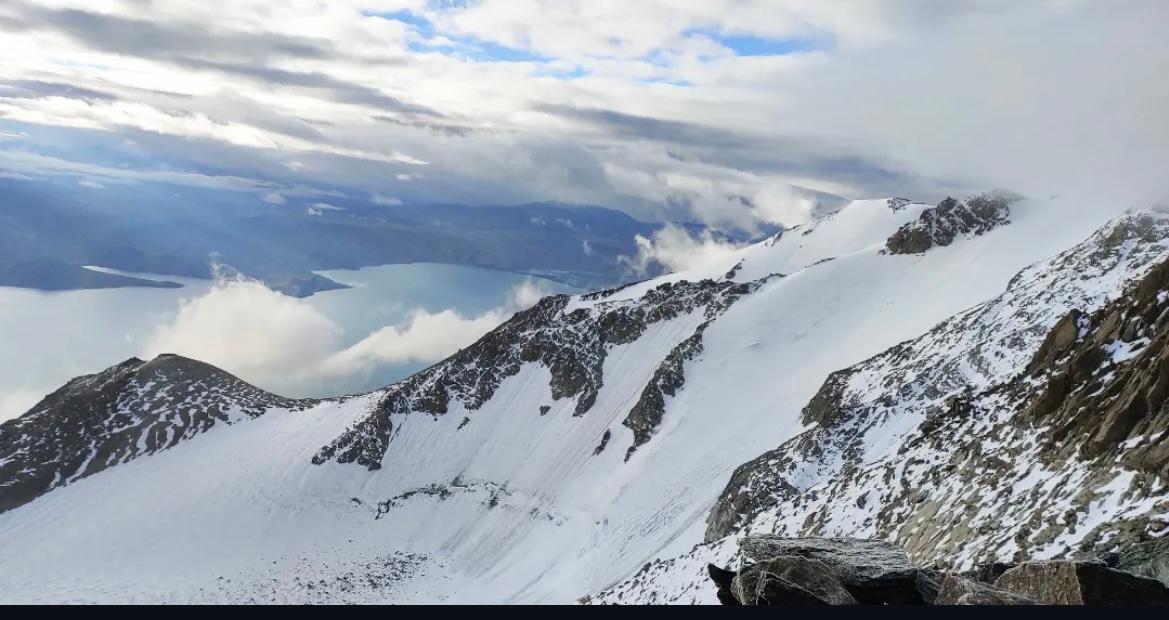
Rising above the western shore of Tso Moriri in the remote Rupshu-Changthang plateau, this semi-technical peak offers stunning views across the lake to the 6,600m Chamser and Lungser Kangri. The climb itself takes 3–4 days from Korzok village and pairs well with the Rumtse to Tso Moriri trek for acclimatisation.

  • 7 days
  • 4–5 people
  • Best season: Jul – Sep
View trip
Moderate

Dzo Jongo East & West(6,220m / 6,300m)

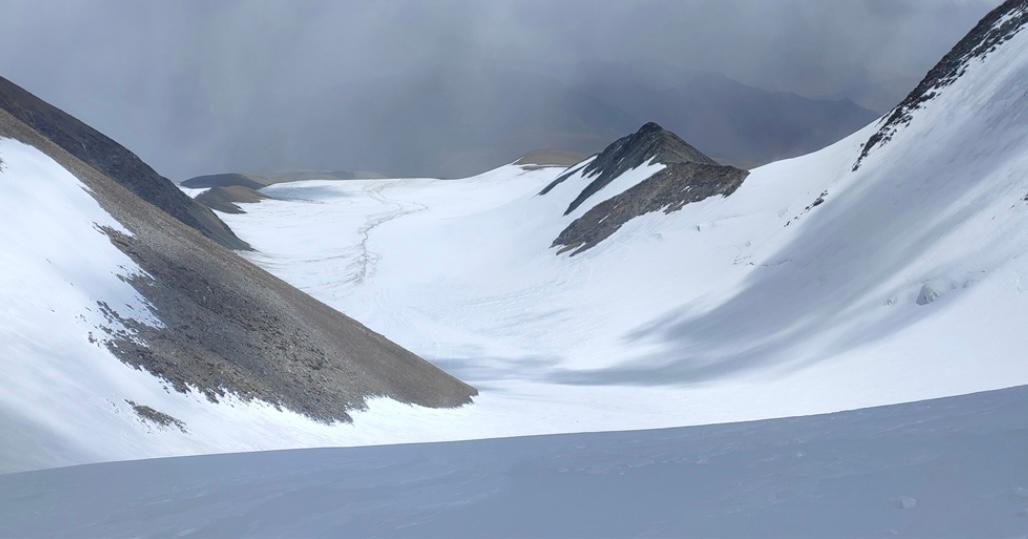
Twin summits at the head of the Nimaling Valley, reached via the Markha Valley trek and facing the main peak of Kang Yatse. Dzo Jongo East (6,220m) is a straightforward plod up a snow-lined ridge, trickier near the top where it crosses boulder fields hidden beneath the snow — roughly a nine-hour round trip from base camp. The higher West summit is climbed separately from a high camp at 5,800m, up a rocky plateau and a rib of moraine, then a snow slope that steepens near the top and needs care after fresh snowfall. Among the easiest 6,000m peaks in the Himalaya, and a far gentler objective than Kang Yatse I.

  • 9 days
  • 4–5 people
  • Best season: Jul – Sep
View trip

Don't see the right route?

Every journey can be tailored to your dates, fitness and group. Tell us what you have in mind.